
.png?width=450&height=450&name=Round%20Blog%20Thumbnail%20(2).png)
When your support team starts growing, you need tools that can keep up. HubSpot Service Hub and Intercom are two popular options, but they take very different approaches.
Intercom started as a chat tool and is known for its messaging features. HubSpot Service Hub is part of a unified customer platform that connects marketing, sales, and service in one place.
In this blog, we'll compare them across what matters most for scaling support: AI capabilities, data unification, customer success tools, and platform flexibility.
Is HubSpot Service Hub Better Than Intercom?

For teams that want to scale support while staying connected to the rest of their business, HubSpot Service Hub is often the better choice. Here's why.
Intercom works well if you only need chat and basic ticketing. But as your business grows, you'll likely need more than reactive support.
You'll want proactive customer success tools, deeper insights into customer health, and seamless collaboration between support, sales, and marketing teams.
HubSpot gives you all of that in one platform. Every customer interaction is tied to a single CRM record, so your entire team has the same up-to-date information. You can build workflows that automate across teams, track SLAs, and use AI to resolve common issues faster.
75% of service leaders using HubSpot say it increased customer retention. That's because HubSpot is built to help you go beyond just answering tickets. It helps you keep customers happy and coming back.
What Are the Differences Between Intercom and HubSpot?
The biggest difference is how the platforms are built. Intercom is a support-focused tool that combines a help desk, chatbot, and messenger. HubSpot is a unified customer platform that connects your entire front office.
Here's how they compare:
Data and CRM
Intercom has basic CRM features, but it often requires integrations to get a complete view of the customer. HubSpot includes a smart CRM at its core, so every email, chat, ticket, and survey is automatically connected to the customer record. No manual syncs, no disconnected systems.
AI and Automation
Intercom offers chatbots and some automation, but many features require add-ons or extra cost. HubSpot includes Breeze Customer Agent, an AI that works across chat, email, WhatsApp, Facebook, and more.
It uses your knowledge base and CRM data to resolve common inquiries autonomously. Teams see higher resolution rates. Plus, teams using Breeze Customer Agent close tickets faster than those who don't.
In fact, 92% of customer service leaders admit that AI has improved their customer service response. That's a huge boost in efficiency that helps teams scale without adding headcount.
Customer Success Tools
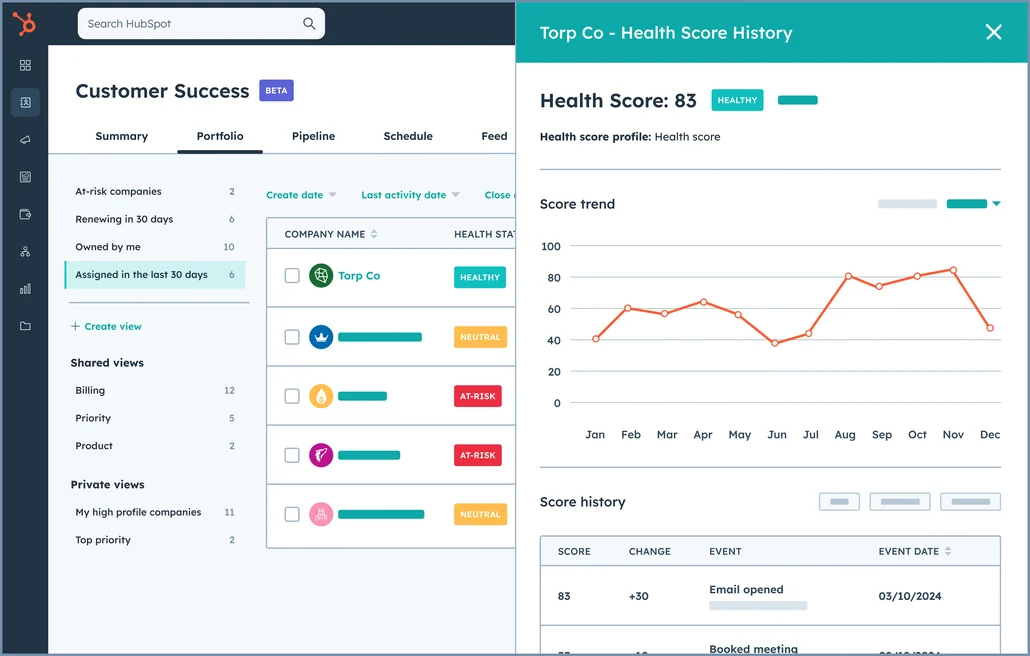
Intercom is built for reactive support, meaning it's focused on answering questions as they come in. HubSpot includes proactive tools like a customer success workspace, health scores, and account monitoring.
You can also collect feedback through NPS, CSAT, and custom surveys, all tied directly to customer records. These features aren't available in Intercom.
Reporting and Insights
Intercom provides basic reporting, but HubSpot goes further with customizable dashboards, advanced analytics, and cross-team visibility.
You can track response times, ticket volume, and customer satisfaction across every channel, and share those insights with sales and marketing teams.
The result? HubSpot gives you a complete view of the customer journey, not just the support conversation.
Which Is Better for Scaling Customer Support?
Scaling support isn't just about handling more tickets. It's about keeping quality high, giving your team the tools they need, and staying connected to the rest of your business.
HubSpot is built for scale in a few key ways:
Unified Platform
When your support, sales, and marketing teams share the same CRM, handoffs are smoother and customers don't have to repeat themselves.
HubSpot makes this easy because everything lives in one place. Intercom, on the other hand, often requires integrations to connect with other tools, which can create silos and slow teams down.
AI That Works Across Channels
Breeze Customer Agent handles conversations on chat, email, voice, and social media. It's not a separate tool you bolt on. It's built into the platform and trained on your knowledge base and CRM data. This means customers get fast, accurate answers no matter how they reach out.
Automation That Saves Time
HubSpot lets you build workflows that route tickets, send reminders, and escalate issues based on SLAs. These workflows can trigger actions across teams, so a support ticket can notify sales about a renewal risk or marketing about a product feedback trend.
Intercom's automation is more limited to support-only use cases.
Customization and Flexibility
HubSpot offers deep customization through custom objects, properties, and associations. You can tailor the platform to fit your business, not the other way around. This flexibility makes it easier to scale without outgrowing your tools.
In short, HubSpot grows with you. As your team expands and your needs become more complex, you won't have to switch platforms or add a bunch of disconnected tools.
Can HubSpot Replace Intercom for Chat and Support?
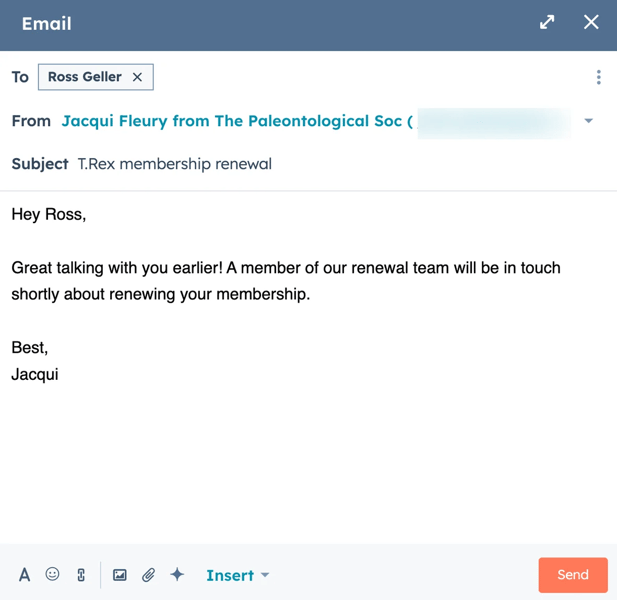
Yes, and it does more than just chat. HubSpot Service Hub includes everything you need to manage customer conversations across multiple channels, plus tools to turn those conversations into growth opportunities.
Here's what HubSpot offers that makes it a strong alternative to Intercom:
Omnichannel Support
HubSpot brings chat, email, phone, WhatsApp, Facebook, and more into one inbox. Reps can see every interaction a customer has had, no matter the channel. This makes support feel seamless and personal.
This matters because customers use different channels depending on their needs. Around 70% of customers still like using email to get help, while phone remains important for complex issues.
HubSpot handles all of these channels in one place, so your team doesn't have to juggle multiple tools.
24/7 AI Support
Breeze Customer Agent answers common questions instantly, even outside business hours. It pulls from your knowledge base and CRM data to give accurate, cited responses. When a question needs human help, it escalates smoothly with full context.
Customers appreciate this approach. 46% of consumers say they're more likely to use an AI agent if they know they can escalate their issue to a human if necessary. HubSpot makes this handoff seamless, giving customers the best of both worlds.
Ticketing and SLA Management
HubSpot's ticketing system lets you create custom pipelines, set SLAs based on priority, and track performance across your team. Intercom has ticketing, too, but HubSpot's version is more flexible and ties directly into workflows and reporting.
Proactive Customer Success
This is where HubSpot really stands out. Instead of just reacting to tickets, you can monitor customer health scores, run product usage analysis, and reach out proactively before issues turn into churn. Intercom doesn't offer these features natively.
Integrated Knowledge Base
Both platforms have knowledge bases, but HubSpot's is connected to the CRM and can be used by Breeze Customer Agent to answer questions autonomously. This means customers can self-serve faster, and your team has fewer repetitive questions to handle.
For teams that want to do more than just answer chats, HubSpot is the better choice. It helps you deliver great support while also driving retention and growth.
Why Teams Are Choosing HubSpot Over Intercom
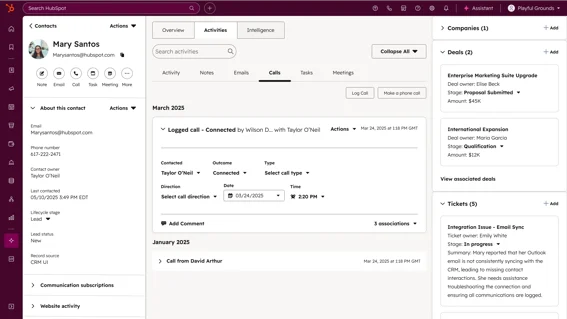
More companies are switching to HubSpot because they want a unified platform, not a collection of disconnected tools. When your support team is stuck in one system and your sales team is in another, customers feel the gaps.
Here are some of the reasons teams are making the move:
Connected Data
83% of HubSpot users (HubSpot) say it's effective at unifying their company's data in one place. That means no more manual syncs, no more outdated records, and no more customers repeating themselves.
AI That's Built In, Not Bolted On
HubSpot's AI features, like Breeze Customer Agent and Breeze Copilot, are embedded across the platform. You don't have to pay extra for add-ons or manage complex integrations. Everything works together out of the box.
Transparent Pricing
Intercom's pricing can get complicated fast. Core features like surveys, CRM functionality, and generative AI often require add-ons, which makes it harder to predict costs. HubSpot offers transparent, predictable pricing with more features included in each tier.
Better Customer Retention
75% of service leaders using HubSpot say it increased customer retention. That's because the platform helps teams move beyond reactive support and focus on long-term customer success.
Easier Migration
Moving platforms can feel overwhelming, but HubSpot's team and partners offer guided services and automated tools to make the transition smooth. You can focus on growing your business, not managing a complicated migration.
How HubSpot Helps You Scale Support the Right Way
Scaling support isn't just about adding more reps. It's about using the right tools to work smarter, collaborate better, and keep customers happy as you grow. Here's how HubSpot makes that possible:
1. Automate Repetitive Tasks
Tasks like assigning tickets, sending follow-up reminders, and logging updates can eat up hours every week. HubSpot's workflows handle these automatically, so your team can focus on complex issues and building relationships.
For example, you can set rules so billing questions go straight to finance and technical issues go to your product team. Reminders go out automatically if a ticket hasn't been answered in 24 hours.
This keeps nothing from slipping through the cracks, even when your team is short-staffed.
2. Give Reps Full Context
When reps have to dig through multiple systems to understand a customer's history, they waste time, and customers get frustrated. HubSpot ties every interaction to a single contact record, so reps see the full story at a glance.
That means no more asking customers to repeat themselves. Reps can open a ticket and instantly see past purchases, previous tickets, and even open deals. This context helps them resolve issues faster and suggest the right solutions.
3. Use AI to Handle Common Questions
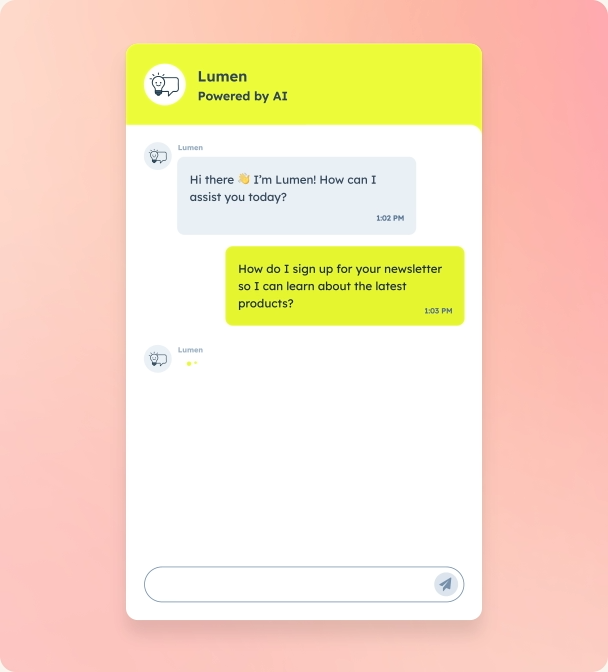
Many support requests are about simple, recurring questions. Instead of making your team answer the same thing over and over, Breeze Customer Agent handles these automatically.
It works across chat, email, WhatsApp, Facebook, and voice, pulling from your knowledge base to give accurate answers 24/7. For more complex cases, it escalates to your team with full context. This keeps wait times low and lets your reps focus on high-value conversations.
4. Monitor Customer Health Proactively
Reactive support means waiting for customers to reach out with problems. Proactive support means spotting issues before they happen. HubSpot's customer success workspace gives you health scores, product usage data, and alerts so you can act early.
For example, if a customer's engagement drops or they stop using a key feature, you'll see it right away. Your team can reach out with helpful resources or a check-in call before the issue turns into churn.
5. Track Performance Across Channels
With HubSpot's reporting tools, you can see how your team is performing across every channel. Track metrics like average response time, ticket resolution time, and customer satisfaction scores.
These reports make it clear where your team is excelling and where bottlenecks are forming. You can adjust staffing, add automation, or update your knowledge base based on real data, not guesswork.
Making the Switch to HubSpot
If you're using Intercom now and considering a switch, here's what you need to know.
Smooth Data Migration
Moving platforms doesn't have to be complicated. HubSpot's team offers guided services and automated tools to make sure your data transfers smoothly. You can migrate customer records, tickets, and conversation history without losing any important information.
Flexible Implementation
HubSpot is flexible. You don't have to turn on every feature at once. Many teams start by setting up ticketing and automation, then add customer success tools and AI as they grow. The platform scales with you, so you're never paying for features you don't need yet.
Seamless Integrations
HubSpot integrates with over 1,800 apps. If you're using tools like Jira, Slack, or WhatsApp, they'll connect seamlessly. This means you can keep your existing workflows while taking advantage of HubSpot's unified platform.
Built for Long-Term Growth
HubSpot is built for growth. Whether you're a small team handling a few hundred tickets a month or a large operation managing thousands of customers, the platform can handle it. And because everything is connected, you won't have to switch tools again as your needs evolve.
The Bottom Line: HubSpot or Intercom?
Intercom is a solid tool for teams that only need chat and basic ticketing. But if you want to scale support, drive retention, and stay connected to the rest of your business, HubSpot Service Hub is the better choice.
With HubSpot, you get a unified platform that connects support, sales, and marketing. You get AI that resolves common issues autonomously. You get proactive customer success tools that help you spot problems before they turn into churn. And you get transparent pricing with more features included out of the box.
The result? Faster response times, happier customers, and a support team that drives growth instead of just managing tickets.
Work With Origin 63 to Get the Most Out of HubSpot
Origin 63 is a HubSpot Solutions Partner that helps businesses implement Service Hub the right way. We'll guide your team through setup, migration, and training so you can start scaling support with confidence.
Whether you're switching from Intercom or setting up HubSpot for the first time, we'll make sure your platform is tailored to your business and your team is ready to use it. Talk to Origin 63 today and see how HubSpot can transform your support operations.











.png?width=90&height=90&name=Arrows%20Partner%20Badge-test%20(1).png)